
This article was contributed by member Lindsay Peyton, Director of art2art Circulating Exhibitions.
A planned show falls through, and you need to fill the hole on your calendar. Or perhaps, you’re simply searching for a new museum experience in the year ahead.
Whether you are a seasoned curator looking for a little more breathing room or an institution seeking cost-effective, yet engaging programming, traveling exhibitions can offer a smart, flexible solution.
As director of art2art, a traveling exhibitions company focused on photography, my job is to connect museums with ready-to-go shows that fit their calendars, their communities and their budgets. For 20 years, art2art has loaned high-quality photographic exhibitions to institutions of all sizes, in all kinds of markets.
Let’s talk about why they work and how to get started.
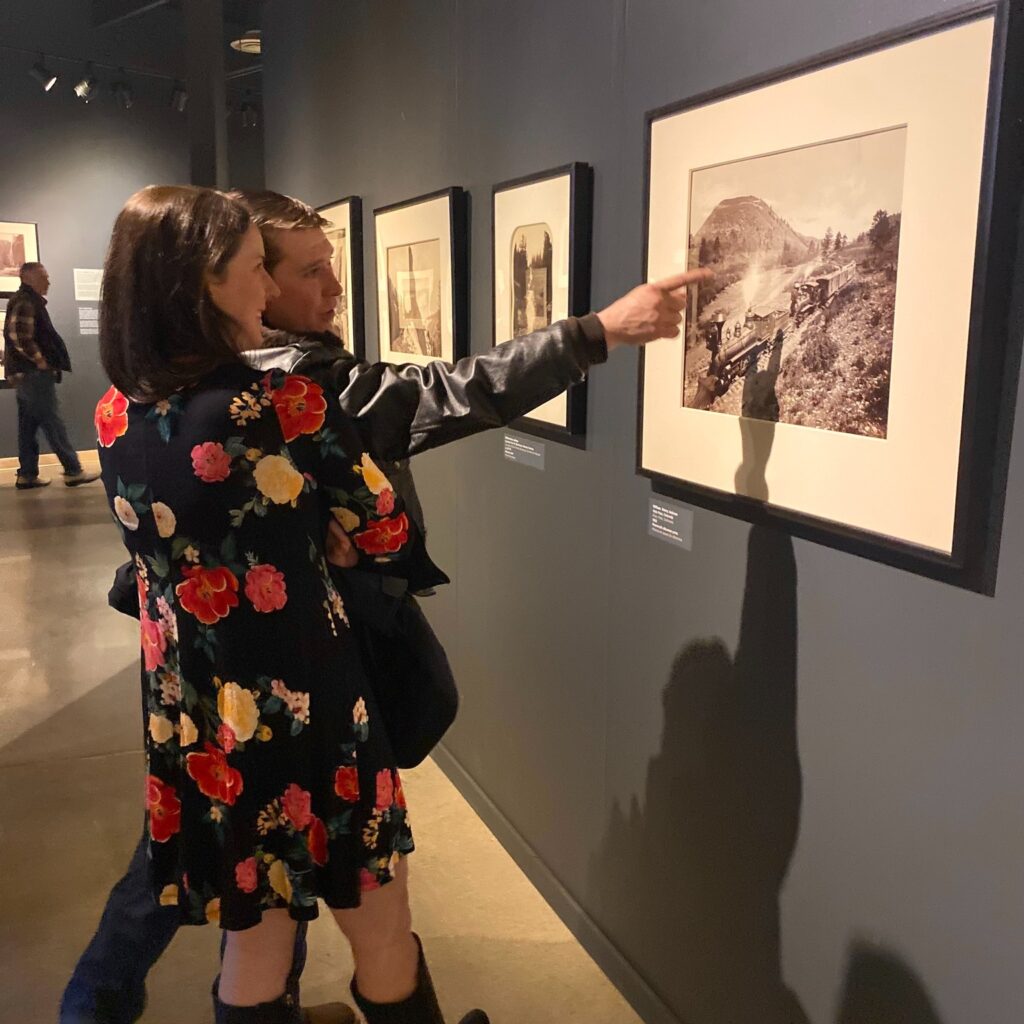
Why Photography and Why Now
Photography holds a unique place in the art world. At first, the medium had to fight for its place in museums. That’s a story explored in our exhibit, “Photo-Secession: Painterly Masterworks of Turn-of-the-Century Photography.”
It wasn’t long after photography was finally accepted as an art form that the medium began to transform the art world. In addition, photojournalism changed the way we consume news—and took on a role altering the headlines themselves. The power of the image to change public perceptions is noted in a number of our exhibits, including “Vietnam: The Camera Goes to War” and “Martin Luther King: Selma.”
Today, smartphones have made photography even more accessible than when the Kodak Brownie first arrived in stores. In fact, in this digital age, image making is more part of our lives than ever. That’s one reason why photography can appeal to many who might feel intimidated by other forms of art.
At art2art, most of our exhibitions are composed of original vintage photographs, printed at the time the image was made. We have shows that illuminate pivotal moments in history, others that engage directly with social justice issues of our time and a growing roster of contemporary artists whose work is both visually striking and culturally relevant. No matter your programming focus, there’s likely an art2art exhibition that fits.
Why Traveling Exhibits Provide Practical Solutions
Traveling exhibitions are a convenient and smart option for museums with limited staff and resources wanting to reduce production costs. These exhibits eliminate the need to negotiate loans from various museums and private collections and coordinate complex freight arrangements.
The financial case is straightforward: rotating high-quality content through your galleries keeps audiences engaged without the expense of producing every show in-house. Traveling exhibits also allow smaller institutions to present work outside of their collections—art that otherwise might seem out of reach, including photographs by major artists or thematic exhibitions that would require months to assemble. This could attract first-time visitors, while also appealing to regular guests.
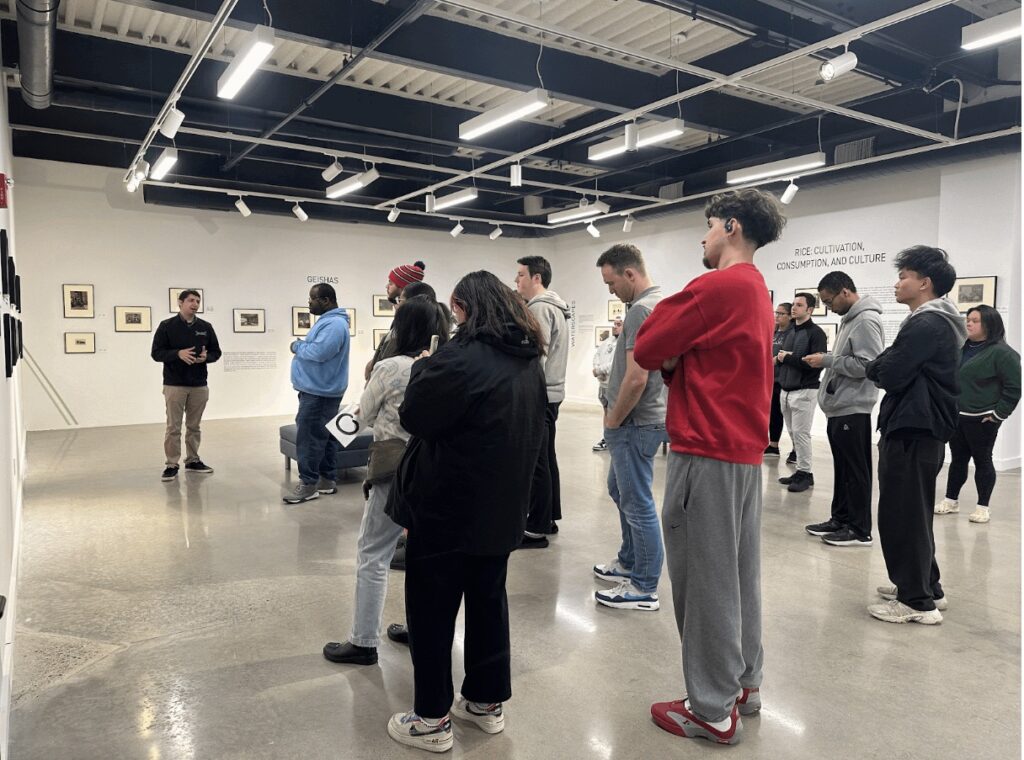
What To Think About Before You Book
If you are considering a traveling exhibition, there are a few key questions:
- What would resonate with your audience? The best exhibitions must appeal to your community. Do you have a strong focus on local history? Are your audiences drawn to activist-oriented work? Is there a story you’ve been wanting to tell or a focus you have been developing? Knowing why you want to host a particular exhibition will help with the selection process— and with planning the surrounding programming that brings a show to life.
- When do you want to book a show? Charges for this type of traveling exhibit are typically based on an eight-week rental period, with additional prorated weeks available if desired. Reserving shows early locks in your dates and allows enough lead time for shipping logistics. Timing will also affect your marketing calendar. (At art2art, we offer a range of rental fees, starting at $3,800 and extending to $30,000.)
- What about shipping? Host museums typically cover insurance and shipping. Because shipping costs can be significant, you will want to build them into your budget planning early. Proximity to where an exhibition is currently stored is also a factor. At art2art, for example, if two museums book consecutive dates, we split the cost of the leg between them which can offer savings for both institutions.
- How will the exhibition look on your walls? Some traveling exhibition companies ship physical labels and pre-formatted wall text. Others design everything and simply ask you to print. At art2art, we provide a document with suggested text and leave the design in your hands. Every institution has its own visual identity, and we want yours to come through. Our clients have used that flexibility to add translations, incorporate QR codes or add contextual framing.
- How can you engage your community? A traveling exhibition is a starting point, not an endpoint. The museums that get the most out of our shows build programming around them. Our clients have offered film screenings, panel discussions, guest lectures, hands-on workshops and family activities to complement the exhibit. Several of our contemporary artists are available for talks and appearances, which can turn a show opening into a genuine event. Our exhibition “Dignity: In Honor of the Rights of Indigenous Peoples” offers its own educational curriculum.
Let’s find the right fit. Email me at lindsay.art2art@gmail.com or visit art2art.org to learn more.